WHAT IS PACKAGING
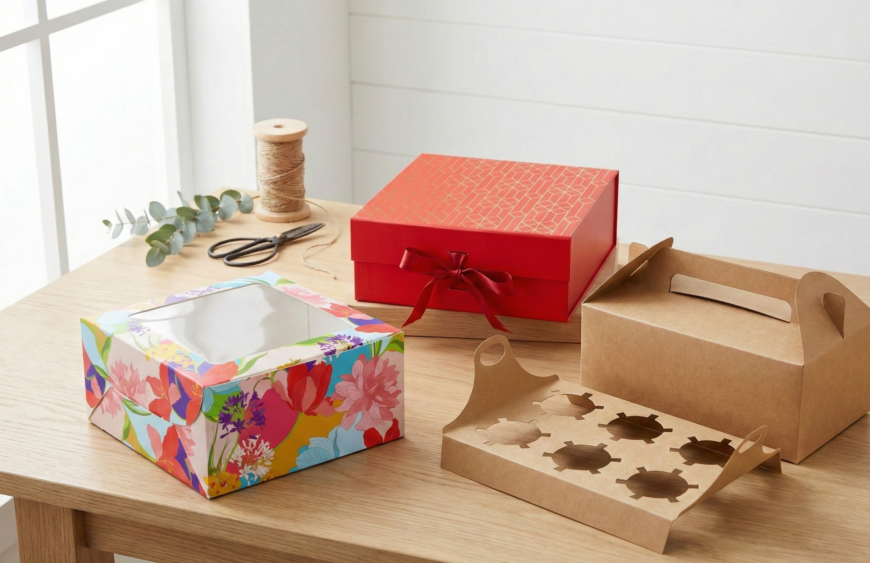
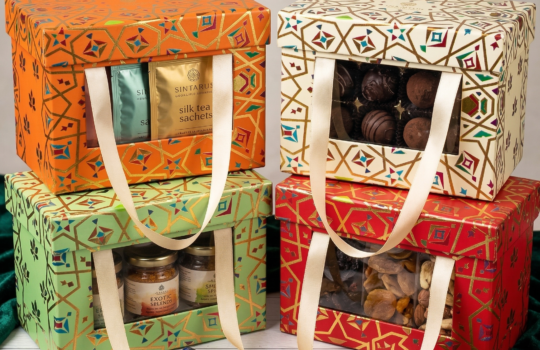
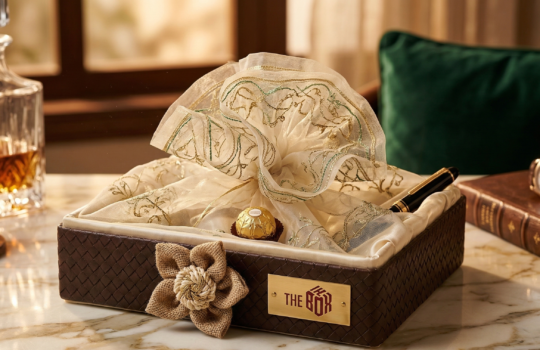
Packaging is the process of designing, creating, and producing containers or materials that are used to protect and contain a product. Packaging can be made from a variety of materials such as paper, cardboard, plastic, metal, or glass, and can come in various shapes and sizes.
The primary purpose of packaging is to protect the product from damage, contamination, or tampering during transportation, storage, and handling. However, packaging can also serve other functions such as providing information to consumers, promoting the brand, and making the product more convenient to use.
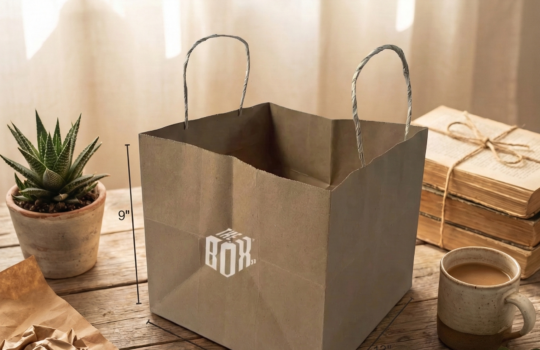
Packaging can take many forms, including boxes, bags, bottles, jars, cans, and wrappers, and can be designed to appeal to specific target markets or to meet specific requirements such as eco-friendliness or child-resistant features.
Effective packaging design involves careful consideration of various factors such as the product’s properties, intended use, target audience, brand identity, and regulatory requirements. The goal is to create packaging that not only protects and contains the product but also enhances its perceived value and appeal to consumers.
WHAT IS THE IMPORTANCE OF PACKAGING
Packaging is an essential aspect of product design and marketing, and it serves several important purposes, including:
Protection: Packaging provides a layer of protection to the product, helping to prevent damage or contamination during transportation and storage.
Branding: Packaging can help to promote brand recognition and increase brand loyalty through the use of distinctive colors, logos, and designs.
Information: Packaging can provide important information to consumers, such as ingredients, usage instructions, and safety warnings.
Convenience: Packaging can make it easier for consumers to handle, store, and transport the product.
Sustainability: Packaging can be designed to minimize waste and reduce the environmental impact of the product.
Overall, packaging is important because it helps to protect the product, promote the brand, provide important information to consumers, and make the product more convenient and sustainable. Effective packaging design can also help to increase sales by making the product more appealing to consumers and standing out from competitors.
WHY IS PACKAGING IMPORTANT
Packaging is important for several reasons, including:
Protection: Packaging protects the product from damage, contamination, or tampering during transportation, storage, and handling, ensuring that it reaches the consumer in good condition.
Branding: Packaging is an important tool for promoting the brand and increasing brand recognition through the use of logos, colors, and designs that are distinctive and memorable.
Convenience: Packaging can make the product more convenient and easier to handle, store, and transport, increasing its appeal to consumers.
Information: Packaging can provide important information to consumers, such as instructions for use, ingredients, nutritional information, and safety warnings.
Differentiation: Packaging can help the product stand out from competitors by using unique or eye-catching designs or by highlighting its key features or benefits.
Sustainability: Packaging can be designed to reduce waste and minimize the environmental impact of the product, which is increasingly important to consumers.
Overall, packaging plays a critical role in product design and marketing by protecting the product, promoting the brand, providing information to consumers, and making the product more appealing and convenient. Effective packaging design can help to increase sales and build brand loyalty, while also meeting consumer demands for sustainability and responsible production.